
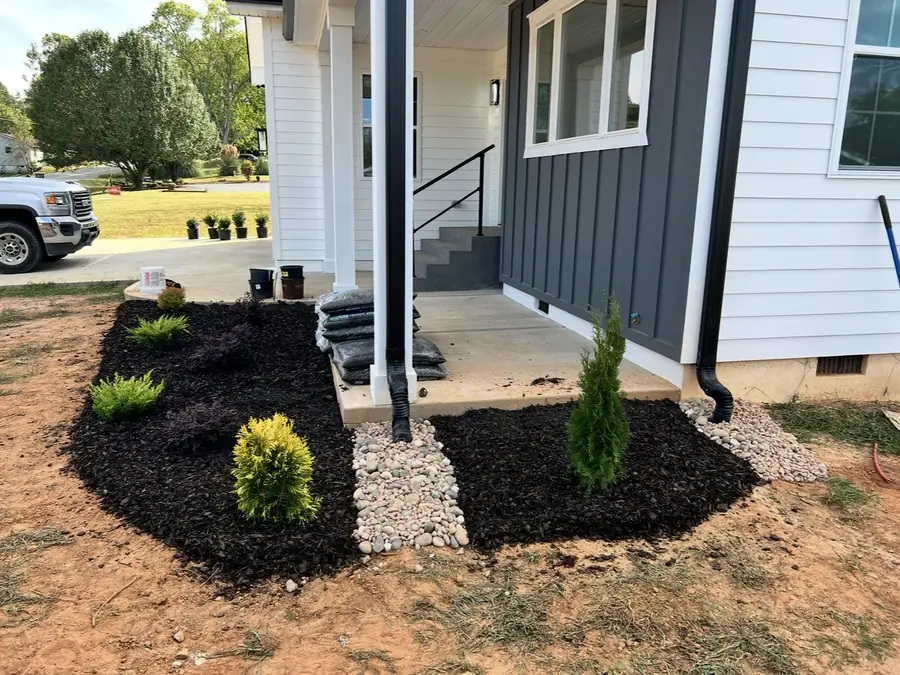
New construction leaves a specific set of problems
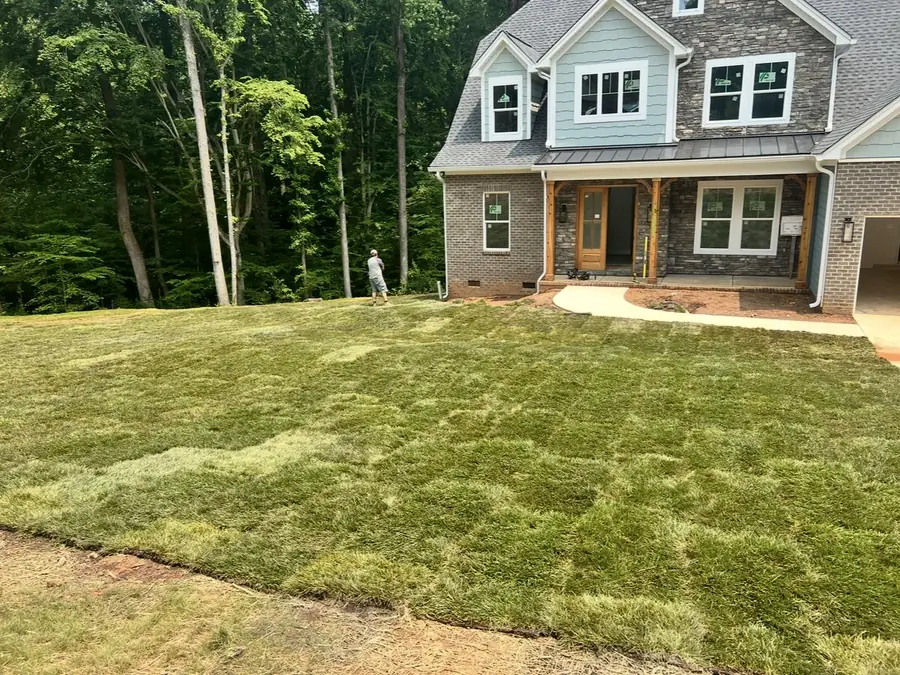
Fort Mill has grown fast, and a lot of the housing stock is recent. That makes the landscaping work here different from an older neighbourhood — the challenges aren't overgrown beds and failing walls, they're the ones a builder hands you on day one.
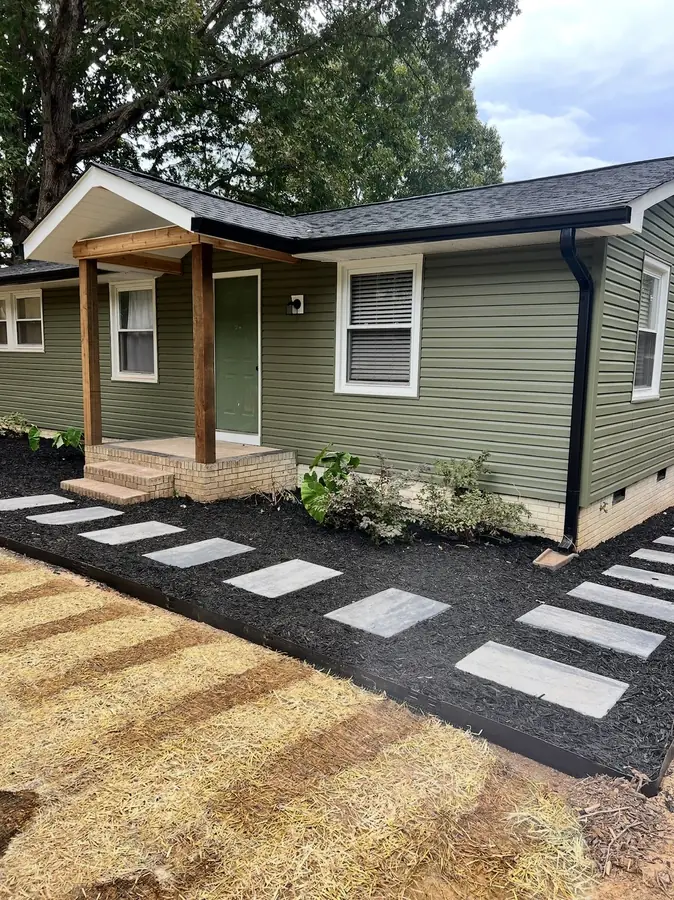
Construction traffic compacts the soil badly, then a thin layer of topsoil and sod goes over the top. Grass struggles because roots can't get through the pan underneath. Beds are usually a narrow strip of shrubs against the foundation with nothing else. And the grade was set to move water off the lot quickly, which is good for the builder and often leaves you with a wet corner.
None of that is hard to fix, but it does need addressing before the pretty part. Breaking up compaction and amending soil is unglamorous and it's the difference between planting that establishes and planting that sulks for three years.
Flat lots make hardscape simple
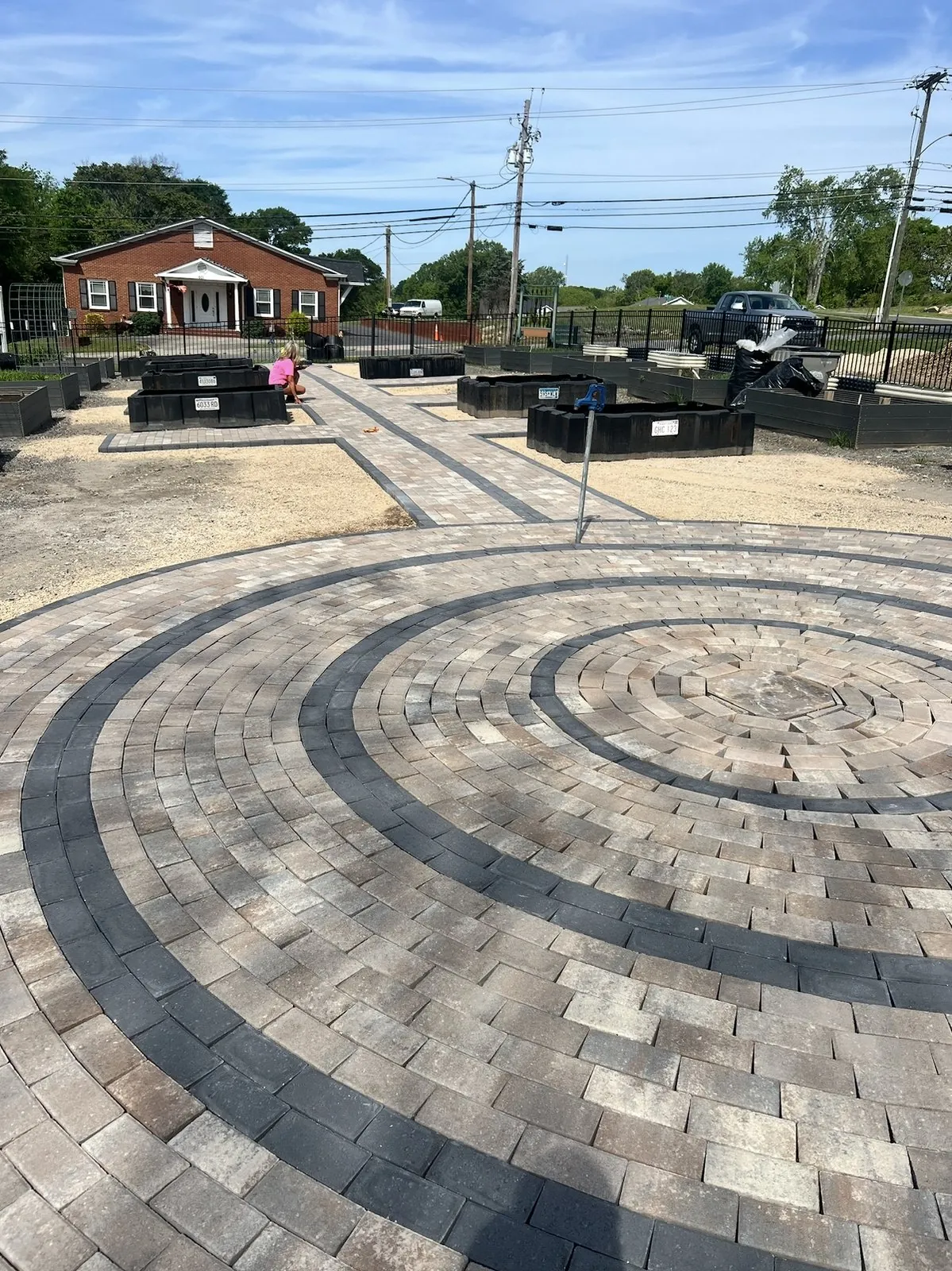
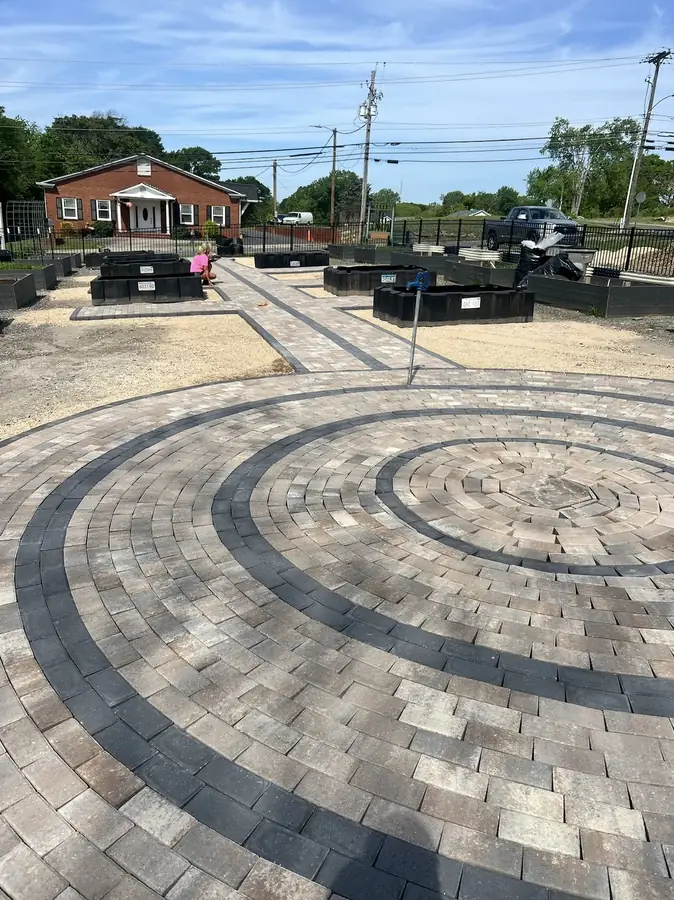
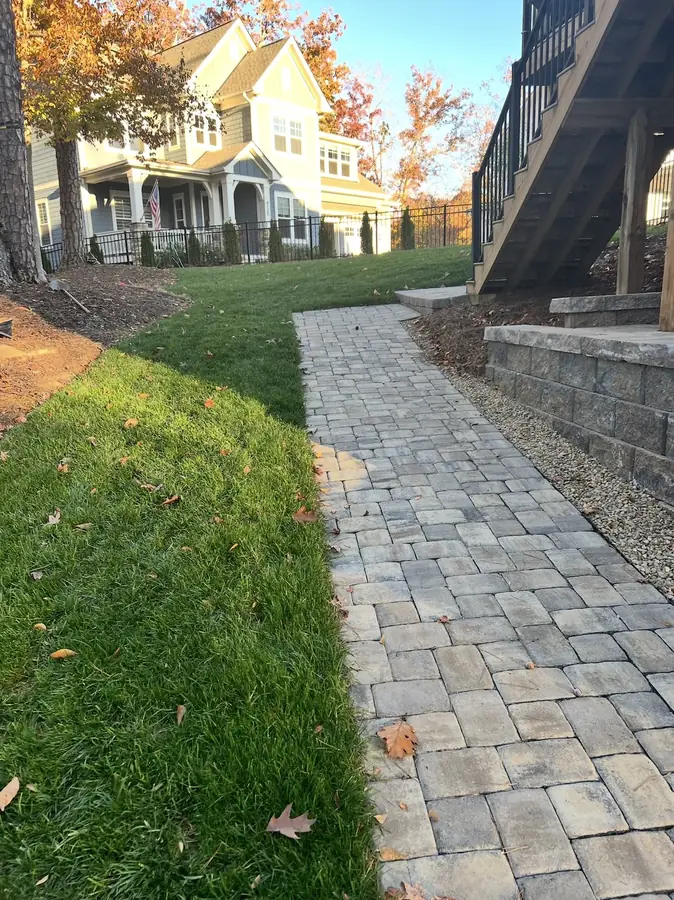
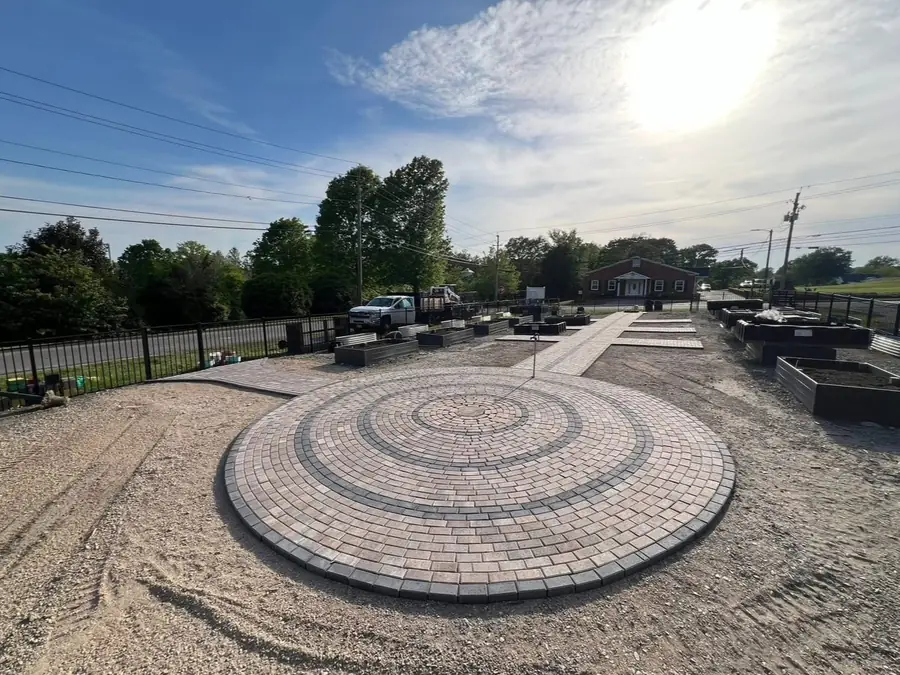
The upside of a newer Fort Mill lot is that it's usually close to level, with clear access to the back. That means a patio here needs less excavation, less retaining, and less equipment wrangling than the same patio would on a sloped lot near the lake — so more of the budget goes into the surface you actually see.
It also means a straightforward project timeline. Good base prep, proper pitch away from the house, edge restraint that holds, and you have a patio that will outlast the fence.
What we're usually doing in Fort Mill
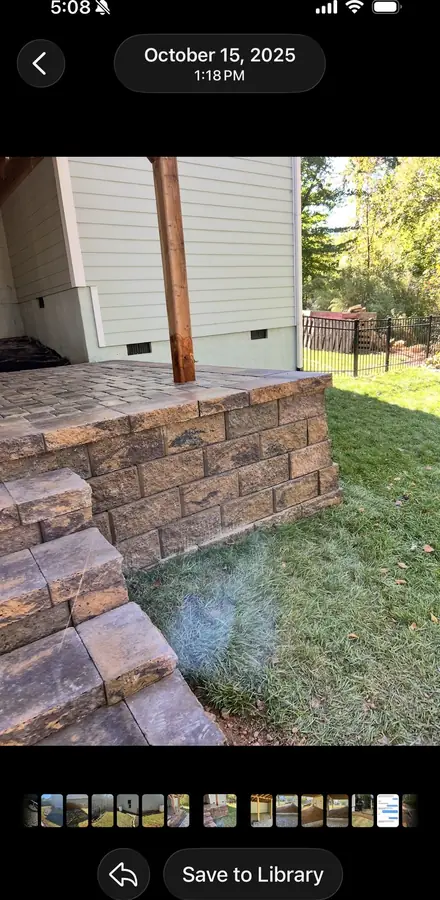
- Paver patios and extensions off an existing slab
- Fire pits and built-in seating walls
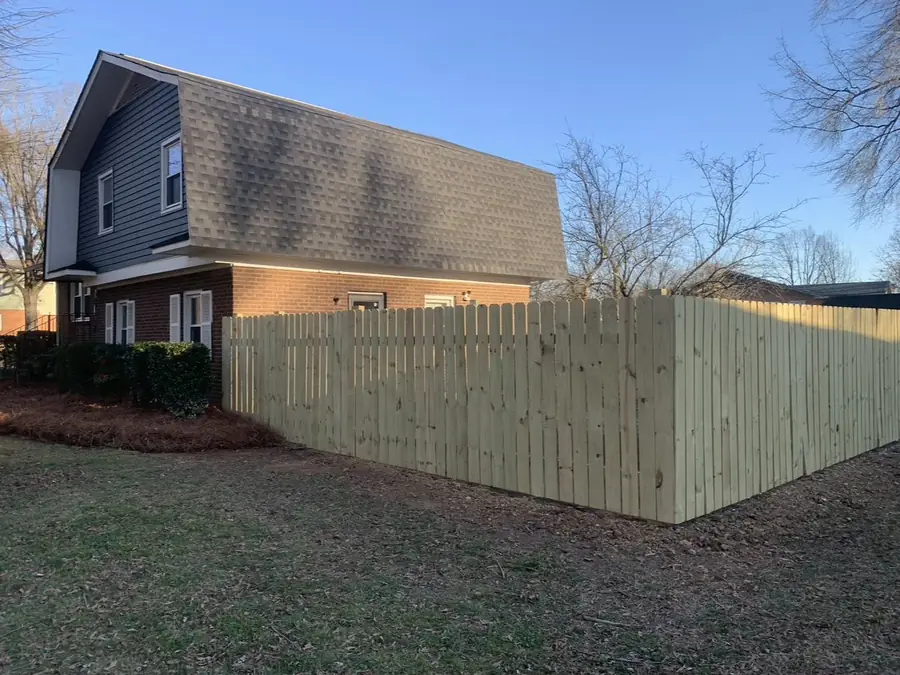
- Privacy planting and screening along fence lines
- Full backyard plans for new-construction blank slates
- Bed construction and soil amendment over compacted ground
- Landscape lighting on patios and walkways
- Drainage correction in wet corners