
Lake Wylie yards have a grade problem
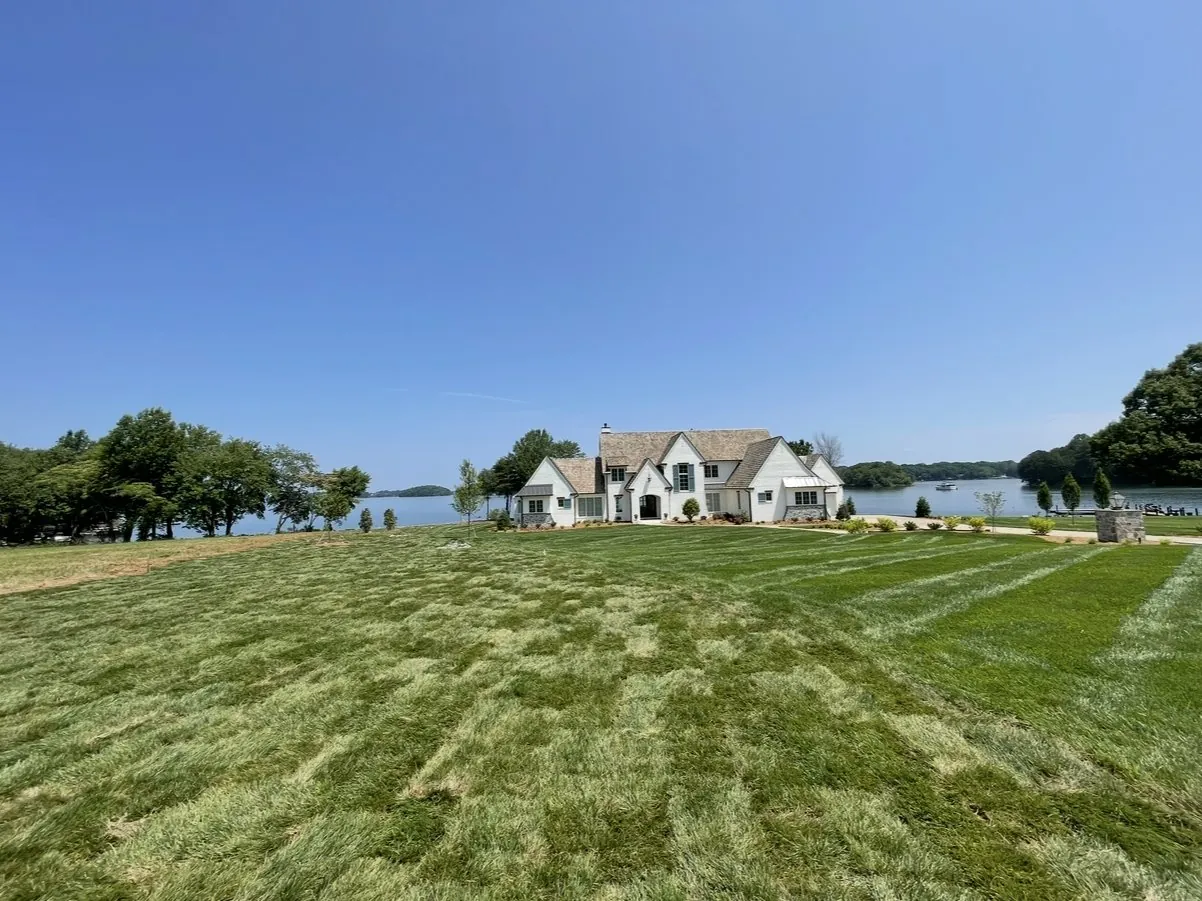
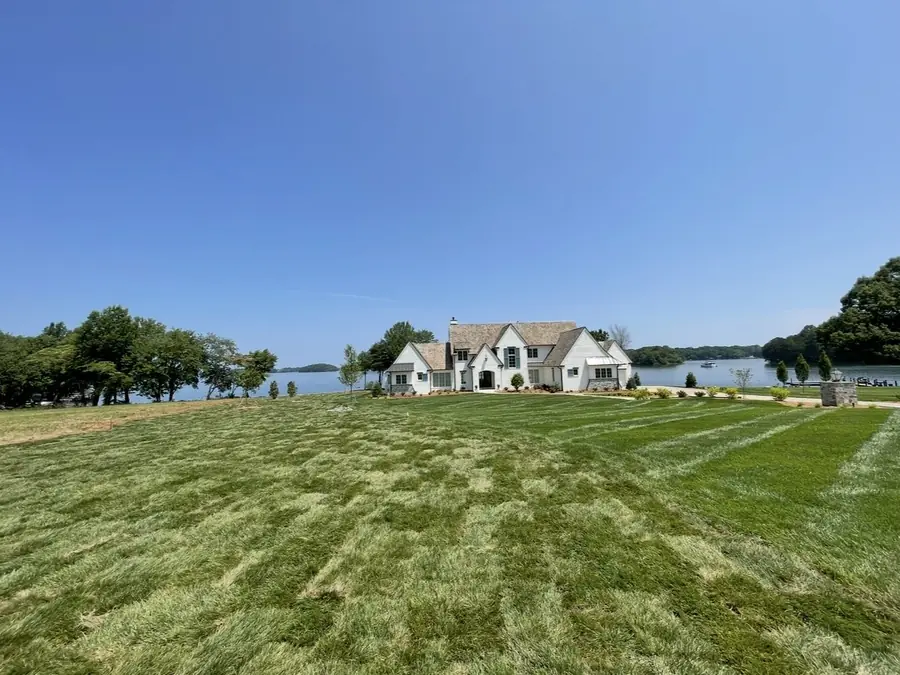
Almost every lot near the water falls toward it. That's exactly what you want for a view and exactly what makes the yard hard to use — a backyard on a constant slope has no flat spot to put a table, and every hard rain moves a little more soil downhill.
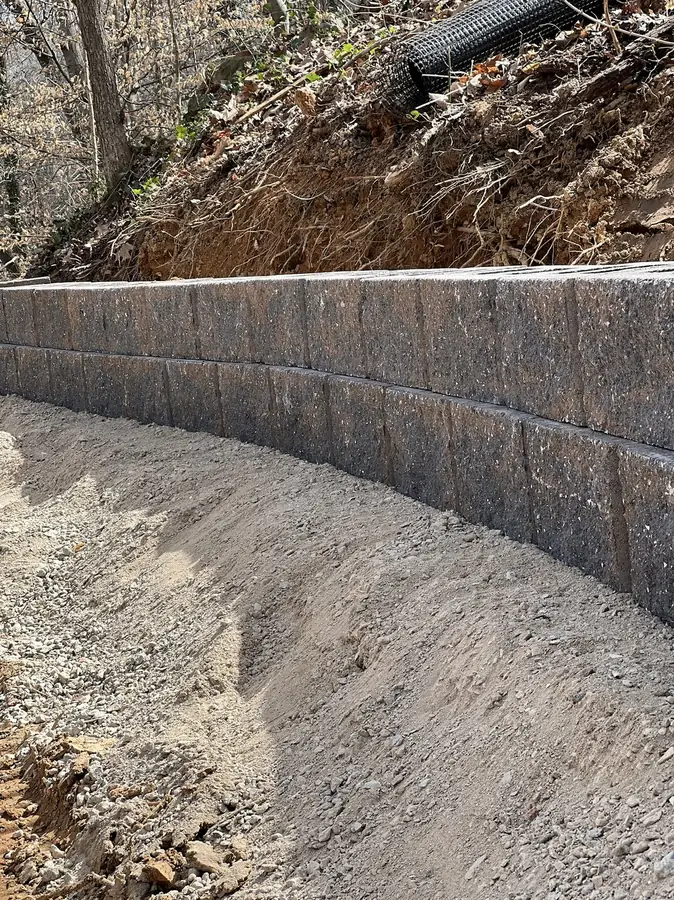
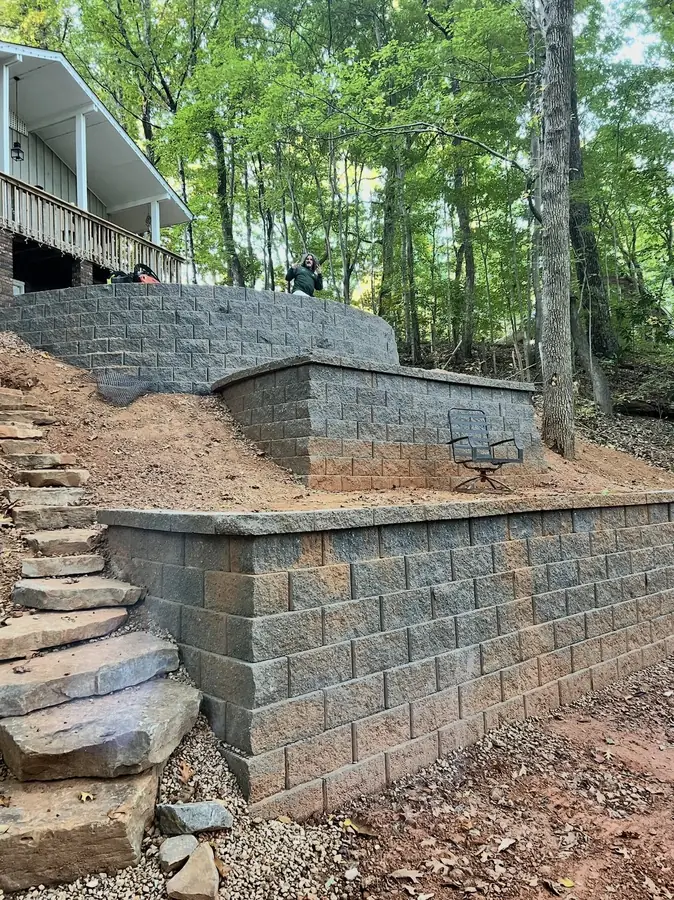
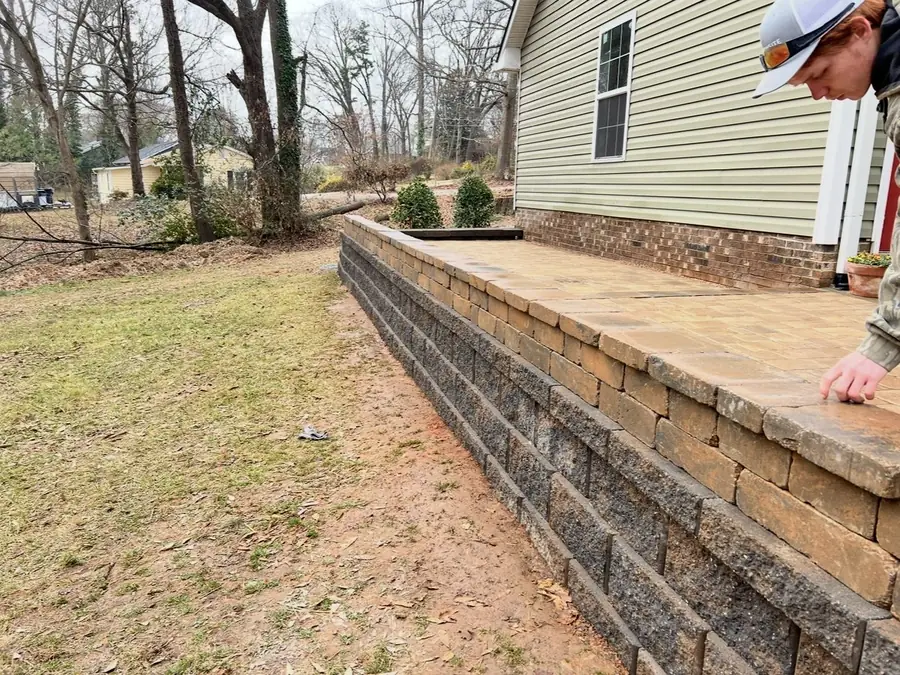
So the projects here tend to start with the grade rather than the finish. A retaining wall, or two terraced walls, converts a slope nobody walks on into a level area you'd actually furnish. Once the ground is flat and holding, the patio and the planting are the straightforward part.
Drainage matters more here than almost anywhere we work. Water coming off a slope has momentum, and if it isn't intercepted it will find the low corner of your patio or the back of your foundation. Every wall gets a gravel drainage layer behind it, and anything with real height gets perforated pipe run out to daylight further down the slope.
Building toward the view
The other thing that makes Lake Wylie different is orientation. On a normal lot you place a patio where it's convenient. Out here you place it where the sightline is, and then solve the grade to make that spot work.
That usually means the seating faces the water, the fire feature sits where it won't block the view from the house, and any wall or planting stays low enough on the water side to keep the sightline open. It's a small thing that separates a patio that gets used from one that technically exists.
What we're usually doing in Lake Wylie
- Terraced retaining walls to create flat, usable yard
- Erosion control on slopes that are actively washing
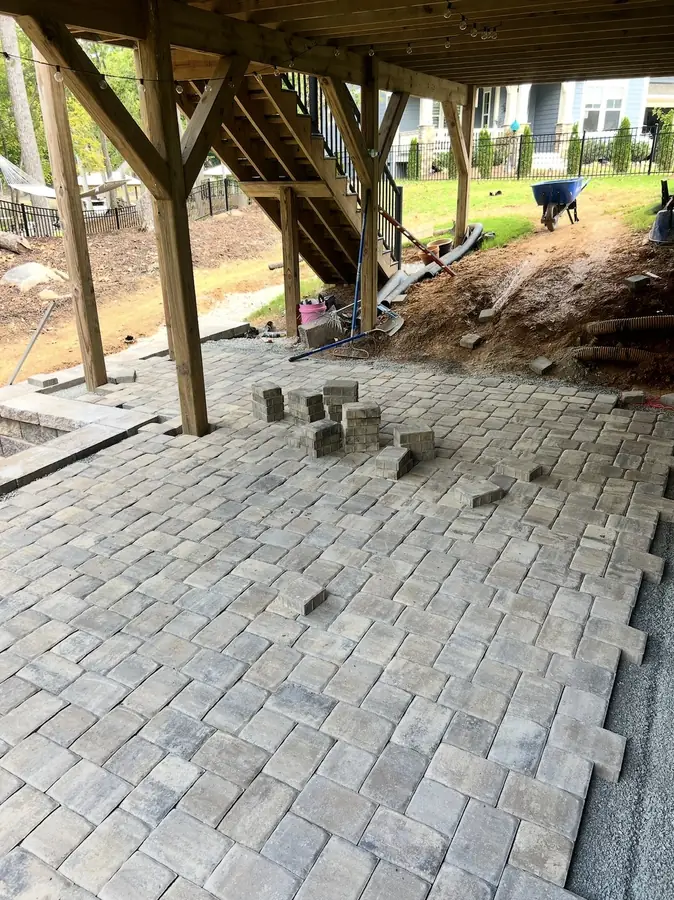
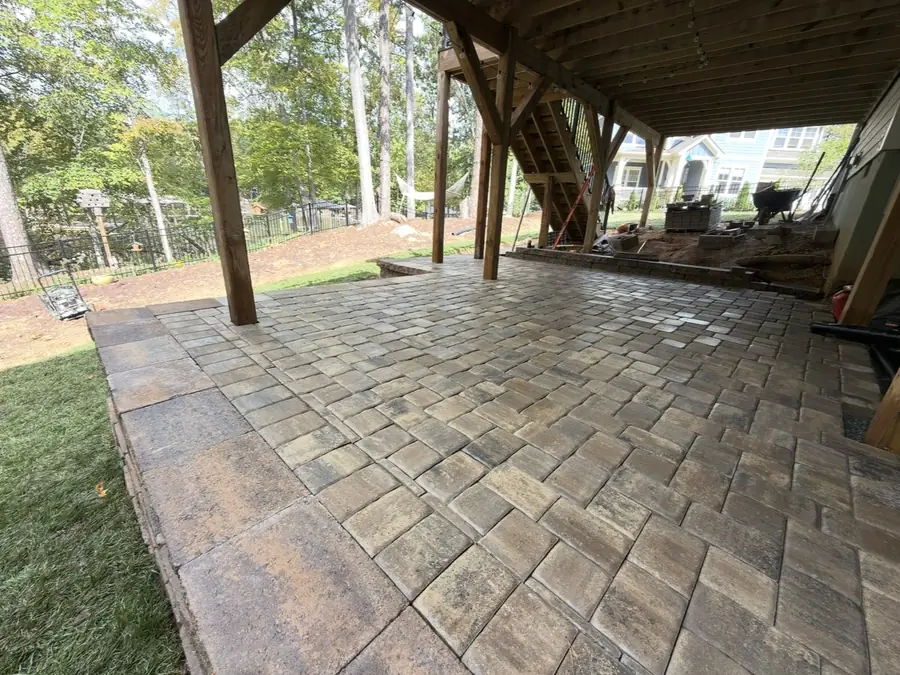
- Paver and flagstone patios cut into a grade
- Fire pits and seating walls oriented toward the water
- Drainage correction — swales, French drains, downspout routing
- Landscape lighting on steps and grade changes